
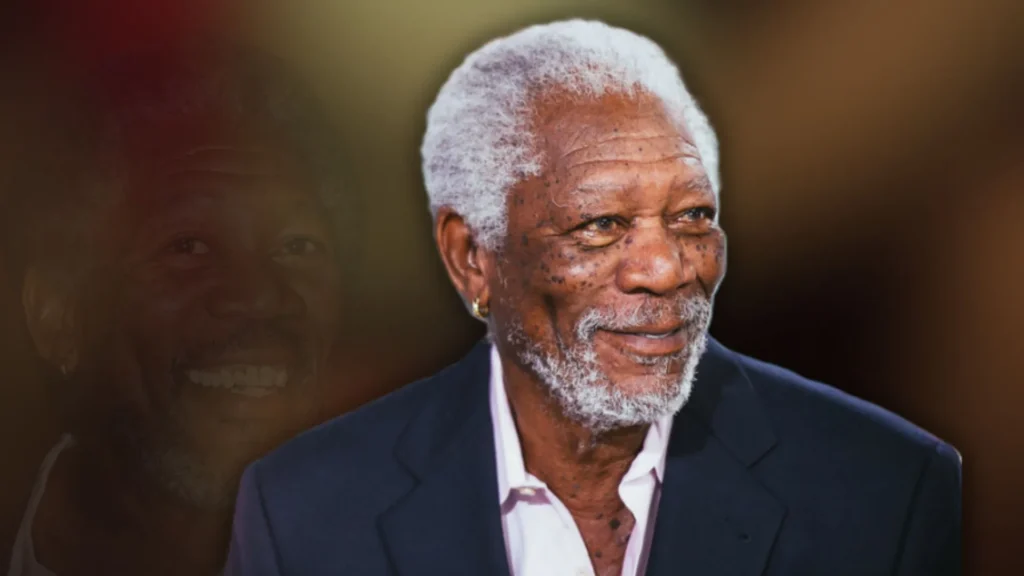
Dive into Morgan Freeman‘s resurfaced 1989 interview revealing 15 iconic actors who inspire his daily movie ritual. From Bogart to Brando, explore how these legends fueled his Oscar-winning career—timeless wisdom for fans in 2025. (148 characters)
The internet exploded this week when a dusty 1989 gem from Morgan Freeman‘s playbook resurfaced, reminding us why the gravel-voiced icon still rules our screens. Fans are in absolute meltdown, scrolling through endless threads of “I KNEW he’d stan Bogart!” as clips of Freeman gushing over his cinematic soulmates go viral. At 88, with a new magic-heist blockbuster dropping next month, this throwback feels like fate—a poignant nod to the stars who lit his path, proving Hollywood’s golden threads never really fray. If you’ve ever wondered what keeps a living legend humble and hooked on films, buckle up: Freeman’s heartfelt shoutouts are pure, unfiltered magic.
A Timeless Ritual: Morgan Freeman‘s Daily Dive into Cinema
In the fall of 1989, as Morgan Freeman was riding the wave of his breakout role in Lean on Me, a quiet chat with The Oklahoman peeled back the curtain on his creative soul. The then-52-year-old actor didn’t just name-drop; he poured out a list of 15 performers who weren’t mere influences—they were the very oxygen of his craft. “I watch movies every day,” Freeman confessed, a habit born from childhood awe at monsters like King Kong and invisible specters in The Invisible Man. This wasn’t casual fandom; it was devotion, a daily communion that sharpened his edge through decades of triumphs and trials.
Fast-forward to October 2025, and Far Out Magazine has dusted off this interview like a vinyl classic, sparking a nostalgia-fueled frenzy amid Freeman’s promo tour for Now You See Me: Now You Don’t. Releasing November 14, the third installment reunites him with illusionist cohorts like Jesse Eisenberg, but it’s this old-school reverence that steals the spotlight. Why now? In an era of AI deepfakes and streaming overload, Freeman’s analog love letter to pure artistry hits like a gut punch—raw, real, and ridiculously relatable. As one Twitter user quipped, “Freeman’s playlist of heroes makes my Letterboxd look like a grocery list.” It’s a reminder: even titans like him started as wide-eyed kids in the dark.
This resurfacing isn’t just clickbait; it’s a cultural reset. With Freeman’s voice narrating everything from penguins to presidents, his inspirations reveal the blueprint of a man who’s voiced humanity itself. Boldly put, these 15 aren’t footnotes—they’re the footnotes to Freeman’s footnotes, etched into every measured line he’s delivered. And as he preps for another red carpet strut, fans are left wondering: Which of these ghosts haunts his next role?
Unpacking the Icons: Morgan Freeman‘s 15 Eternal Inspirations
At the heart of the buzz is Freeman’s unranked roster of reverence, a eclectic squad spanning silent-era swagger to method madness. Pulled straight from that 1989 sit-down, the list spotlights actors who “go right at the role, and that’s all they do,” as Freeman put it—total immersion without apology. No algorithms here; just gut instinct from a guy who’d soon claim an Oscar for Million Dollar Baby.
To make it easy to scan and savor, here’s the full lineup in table form, complete with Freeman’s notable connections to each legend:
| Actor | Notable Connection to Freeman |
|---|---|
| Gary Cooper | The stoic cowboy of High Noon, whose quiet heroism influenced Freeman’s understated power in roles like Unforgiven. |
| Humphrey Bogart | Icon of Casablanca, admired for cool charisma that mirrored Freeman’s wise-cracking depth in Se7en. |
| James Cagney | Tough-guy energy from Yankee Doodle Dandy; a blueprint for Freeman’s dynamic intensity in Lean on Me. |
| Stacy Keach | Theater roots with raw emotional depth in The New Centurions, inspiring Freeman’s gritty dramatic turns. |
| Gregory Peck | Moral compass in To Kill a Mockingbird; echoed in Freeman’s principled Driving Miss Daisy gravitas. |
| Robert De Niro | Method acting master of Taxi Driver; Freeman shared scenes with him in The Intimidation Game. |
| Marlon Brando | Revolutionary in The Godfather; Freeman cited his transformative performances as a core spark. |
| Spencer Tracy | Everyman’s actor in Adam’s Rib; taught Freeman grounded, relatable portrayals. |
| Paul Muni | Character immersion in The Life of Emile Zola; fueled Freeman’s passion for historical layers. |
| Clark Gable | Charismatic leading man of Gone with the Wind; his bravado shaped Freeman’s commanding charm. |
| William Holden | Versatile in Sunset Boulevard; admired for blending toughness with vulnerability. |
| Katharine Hepburn | Fierce independence in The Philadelphia Story; blazed trails Freeman honored in collabs. |
| Bette Davis | Bold force in All About Eve; her intensity was a touchstone for Freeman’s bold femininity nods. |
| Gene Hackman | Later collaborator in Unforgiven; Freeman called him a “favorite child” in recent interviews. |
| José Ferrer | Stage-to-screen pioneer in Cyrano de Bergerac; coached Freeman early on with versatile awe. |
This lineup isn’t random—it’s a mosaic of resilience, from Golden Age grit to Brando’s rebellion. As Freeman reflected in the interview, these weren’t idols on pedestals; they were mirrors, reflecting the actor he yearned to become. According to a deep dive by Far Out Magazine, the list captures a pre-Shawshank Freeman, hungry and honest, far from the voice-of-God status he’d claim.
How These Heroes Forged Morgan Freeman‘s Hollywood Odyssey
Tracing Morgan Freeman‘s career without these 15 is like narrating The Shawshank Redemption sans hope—impossible. Born in 1937 in Memphis, Tennessee, Freeman dodged a stagehand fate for Air Force dreams before circling back to the footlights in the ’60s. By 1989, Lean on Me had catapulted him as fiery principal Joe Clark, a role laced with Cagney-esque fire and Peck’s moral steel. But the seeds? Planted by Bogart’s brooding in late-night reruns.
Take Brando: His raw vulnerability seeped into Freeman’s Street Smart hustler, a 1987 pivot that caught Sidney Lumet’s eye. Or Hackman—their Unforgiven (1992) reunion was poetic, Freeman’s Ned Logan a nod to Hackman’s grizzled Gene. “Every time I see him, I marvel,” Freeman said then; three decades later, on NBC’s TODAY, he echoed it, calling Eastwood collabs his “favorite children.”
De Niro’s influence? Evident in Freeman’s chameleon shifts—from Glory‘s principled sergeant (1989) to Se7en‘s cryptic cop (1995). And Hepburn and Davis? They whispered empowerment in Driving Miss Daisy (1989), where Freeman’s Hoke Colburn flipped racial scripts with Hepburn-level dignity. Film historian Mark Harris, in a Variety retrospective, calls it “Freeman’s quiet revolution,” crediting these muses for his “voice that commands without shouting.”
Background deepens the tale: 1989 was Freeman’s inflection point. Post-Lean on Me, he was Oscar-baiting, but doubts lingered. “Keep moving forward,” he’d later advise young actors in a 2025 The News interview. That ethos? Straight from Tracy’s steadfastness. No wonder the list resurfaced now—amid Now You See Me‘s illusions, it’s a reality check on authentic craft.
Also Read: Alba Baptista Welcomes Baby Girl with Chris Evans: Hollywood’s Newest Mom Steals Hearts
Fan Frenzy and Expert Takes: Why Morgan Freeman‘s List Resonates in 2025
Social media’s on fire, with #MorganFreemanInspo trending stateside. TikTok edits mash Freeman’s narration over Bogart clips, racking millions; Reddit’s r/movies hails it as “the ultimate watchlist.” One fan tweeted, “Freeman loving Hepburn? Iconic queer ally energy before it was cool.” Another: “Brando on the list? Explains The Power of One‘s soul.”
Experts weigh in heavy. Critic Ann Hornaday, via People Magazine, dubs it “a masterclass in lineage,” linking Freeman’s picks to his Invictus (2009) gravitas—Tracy’s everyman in Mandela’s shoes. Director Ruben Fleischer, helming Freeman’s latest, told Rolling Stone the list “humanizes the myth,” especially as Freeman debunks magic on-screen while honoring real enchanters.
Yet, not all rosy: Some note the list’s male skew (only Hepburn and Davis break it), sparking chats on ’80s blind spots. Freeman addressed evolution in a 2024 The Grio throwback, praising modern trailblazers like Viola Davis. Fans defend: “It’s his truth from then—growth is the point.”
This ripple ties to Freeman’s blues odyssey too. His October 30, 2025, Symphonic Blues Experience in Louisville weaves 100 years of American sound, echoing the list’s historical heartbeat. “First time America heard itself,” he mused—much like his inspirations let Hollywood hear its soul.
Morgan Freeman‘s Enduring Echo: From 1989 to the Silver Screen Horizon
As the dust settles on this viral vault-dig, Morgan Freeman emerges not as a relic, but a bridge—spanning eras with the grace of his listed greats. That 1989 interview, once a footnote, now pulses with urgency: In a TikTok-tamped world, Freeman’s daily film feast reminds us art isn’t consumed; it’s inhaled. His 15 heroes—flawed, fierce, unforgettable—wove the fabric of a career boasting five Oscars, a Kennedy Center Honor, and voices that soothe storms.
Reflecting on TODAY‘s lighthearted correction (“Morgan, just so you know”), we see the man behind the myth: approachable, awed, eternally curious. From Shawshank‘s redemption to Now You See Me‘s sleight-of-hand, these inspirations linger, a quiet rebellion against fleeting fame.
Only time will tell what’s next for Morgan Freeman, but one thing’s for sure—the spotlight isn’t leaving anytime soon. With whispers of a blues doc and more narration gigs, expect more wisdom drops that honor the past while charging the future. For now, queue up Brando or Bogart; Freeman’s watching too.