
Hollywood has never been short on bright lights or big personalities, but the past few decades have made something else just as visible: the private moments that suddenly become part of the public record. What used to be handled behind studio doors is now replayed across millions of screens, archived online, and discussed for years afterward. It’s part of the job now, even though it was never written into any contract. Fame brings recognition, but it also brings a kind of transparency that doesn’t fade, even when a performer is trying to steady their life off-camera.
The entertainment industry relies on attention to survive, yet that same attention can act like a lens that magnifies everything. A court filing becomes a national headline. A disagreement on a set becomes the subject of broadcast panels. A difficult period in someone’s life becomes a public timeline, pieced together by reporters, fans, and critics who are all watching at the same time. For many performers, the most significant turns in their careers didn’t start with a film or a song. They started when something personal crossed into public view.
It wasn’t always like this. The studio system of the mid-20th century curated nearly every image that reached the public, and only a handful of reporters had access to the most sought-after stars. Personal challenges stayed mostly off the record unless someone chose to speak about them. Even in the early 1990s, information traveled slowly enough that a difficult night or a strained relationship could remain within a close circle. By the late ’90s, that protective layer began to thin. The entertainment press expanded, paparazzi culture intensified, and the internet made every update available instantly.
Now the environment is different. A moment captured on a phone can spread faster than a studio can prepare a statement. Legal filings circulate online before lawyers finish walking out of the courthouse. The industry moves on fixed schedules, but public reaction moves on a clock of its own. The result is a landscape where certain events—especially those documented through official sources—can reshape careers almost immediately.
This feature looks back at a set of moments that meet one clear standard: they were recorded, verified, or reported through sources that remain part of the public archive. They are not rumors or unconfirmed anecdotes. They are incidents documented in police reports, court transcripts, broadcast recordings, official statements, or widely distributed news coverage. Each of them changed the direction of a Hollywood career in a visible way.
And they all show something familiar: fame is rarely in sync with real life. When the two collide, the consequences can last for years.
The Pressure That Builds Behind the Public Image
Most careers in Hollywood grow from a combination of talent, opportunity, and the ability to stay visible in a competitive field. Visibility is helpful when things are going well. It strengthens promotion, builds fan bases, and keeps performers connected to audiences around the world. But the same visibility becomes challenging when life takes a difficult turn.
For many star performers, nearly everything outside of the workplace is also part of the job. Going to dinner becomes a photographed event. Leaving a courthouse becomes part of a news segment. An argument at home can appear in filings published by major outlets. There are few barriers left between life as a private individual and life as a public figure.
The turning points highlighted in this story didn’t begin on a stage or in a studio. They started when private moments became part of a larger narrative—one that the individuals involved often had limited control over.
The best way to understand the pattern is to examine a few of the clearest examples.
Britney Spears: A Public Crisis That Reshaped Modern Coverage
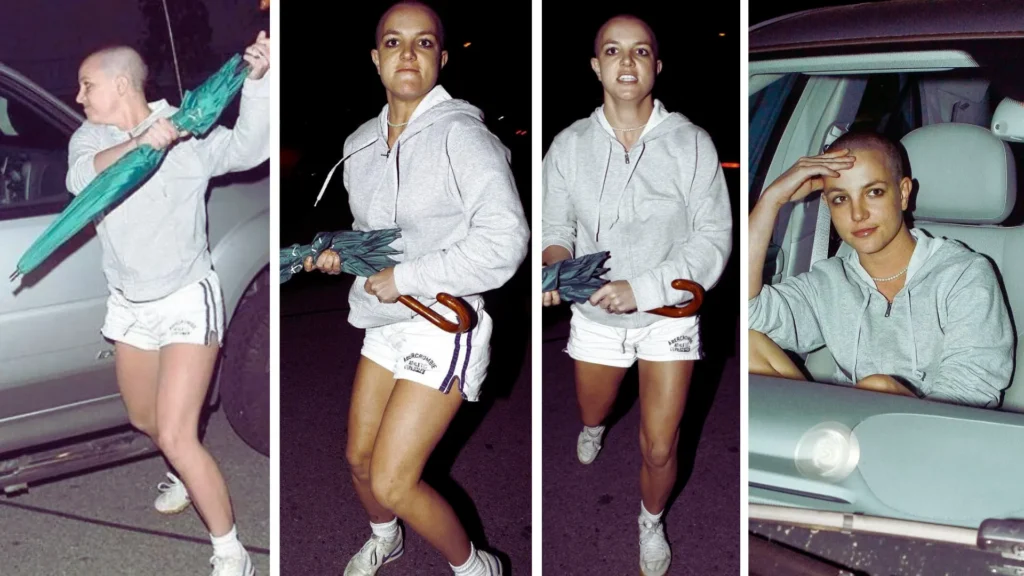
In early 2007, Britney Spears had already spent almost her entire life in the public eye. After years of intense attention, she entered a period that is still widely discussed today. Nearly every moment from that year was captured by cameras or documented through legal filings: her visit to a Los Angeles salon where she shaved her head, her interaction with photographers involving an umbrella, and her early 2008 psychiatric hold that was confirmed by law enforcement and hospital reporting.
These were not stories built from rumor. They were widely photographed events and official procedures. The custody filings with Kevin Federline became accessible through public court documents, pulling deeply personal details into press coverage. Within months, Spears was placed under a court-ordered conservatorship that would last more than thirteen years.
As the legal structure continued year after year, it created one of the longest-running public discussions about autonomy and oversight in the entertainment industry. Every development—motions, hearings, rulings—entered the public record. When the conservatorship formally ended in late 2021, the decision also became part of the documented history of a case that had grown far beyond the life of one performer.
For many observers, Spears’ situation didn’t just mark a turning point for her career; it shifted the way audiences understand the pressures of modern fame. It remains one of the clearest examples of how personal challenges, once documented, can shape an entire era of conversation.
Robert Downey Jr.: A Long Road Back, Recorded Step by Step
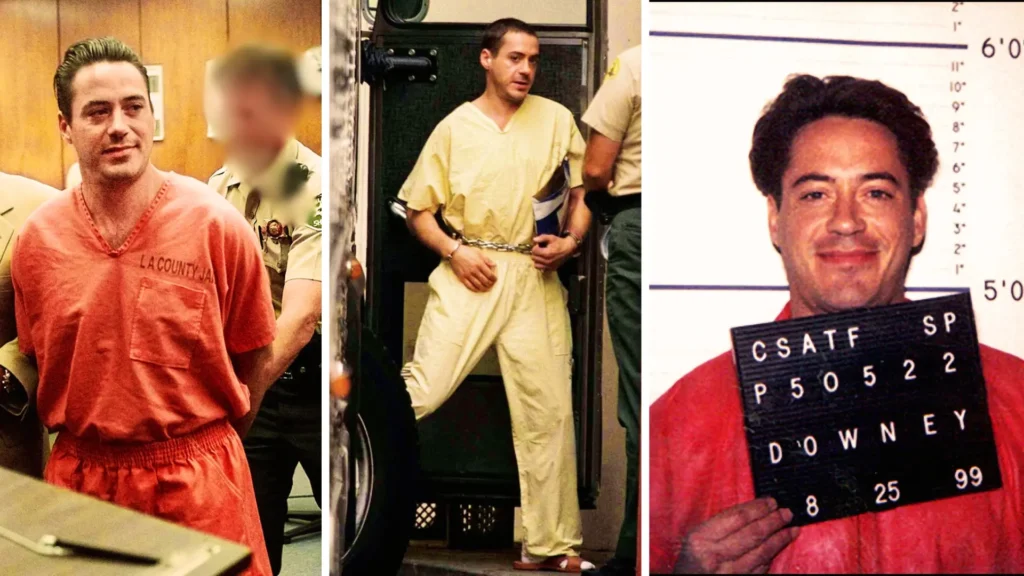
In the late 1990s and early 2000s, Robert Downey Jr.’s legal struggles were documented in detail. His arrests for drug possession in 1996, his court-mandated treatment programs, his missed drug tests, and his incarceration in the California Substance Abuse Treatment Facility and State Prison were all matters of public record. When the courts confirmed new violations, those documents entered the news cycle immediately. Each update influenced how studios viewed the idea of working with him.
Downey’s removal from Ally McBeal in 2001 reflected those concerns. It wasn’t a matter of rumor or speculation; it was a direct industry response to events that had been verified through the legal system.
His comeback years later is now part of Hollywood history. The decision to cast him as Tony Stark in Iron Man required negotiation with insurers and a studio willing to take the risk. Producer Kevin Feige and director Jon Favreau advocated strongly for him. When Iron Man succeeded, it launched one of the biggest film franchises of the era and rebuilt a career that had been nearly lost.
Downey’s story is a reminder that documented setbacks can be followed by documented recoveries. Both become part of the long-term public narrative.
Also Read: Haley Baylee Says NFL Ex Matt Kalil’s Size Ended Their Marriage: “He’s Like 0.01% of the Population
Lindsay Lohan: A Career Redirected by Public Legal Issues
Lindsay Lohan’s early career included several major studio films and strong reviews. But beginning in 2007, her public life became closely tied to a series of legal events. Arrest records, court transcripts, probation violations, and multiple rehabilitation stays created a timeline that appeared repeatedly in news coverage.
Her arrests for DUI and cocaine possession, the probation violations, and the public letter from the producer of Georgia Rule addressing concerns about her reliability—these were all real, verifiable moments. For several years, the industry’s decisions about casting her were influenced by practical concerns: production delays, insurance issues, and public visibility.
Lohan eventually returned to acting, but the arc of her career shows how legal matters—when publicly documented—can result in long pauses and cautious re-entry into the industry.
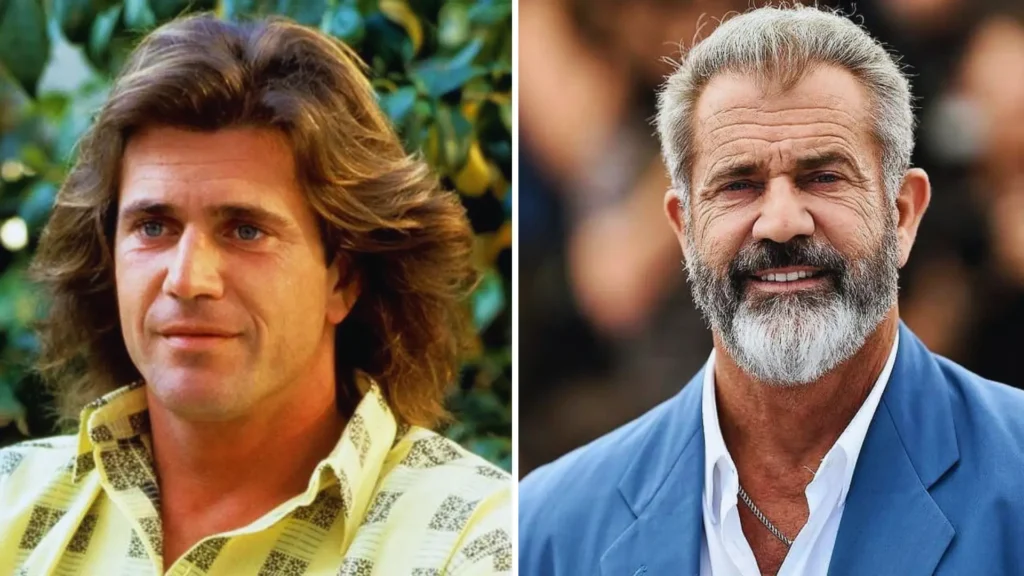
Mel Gibson: A Recorded Incident with Lasting Effects
Mel Gibson’s 2006 DUI arrest became a major public moment because the Los Angeles County Sheriff’s Department report included statements he made to the arresting officers. Those statements circulated widely after the report was made public. Industry response followed immediately. Some studios paused development deals, and Gibson stepped back from acting roles for a period.
Years later, his return as a director with Hacksaw Ridge showed how new work can change the narrative, but the 2006 arrest remains one of the defining points of his public timeline because it was documented officially and widely covered.
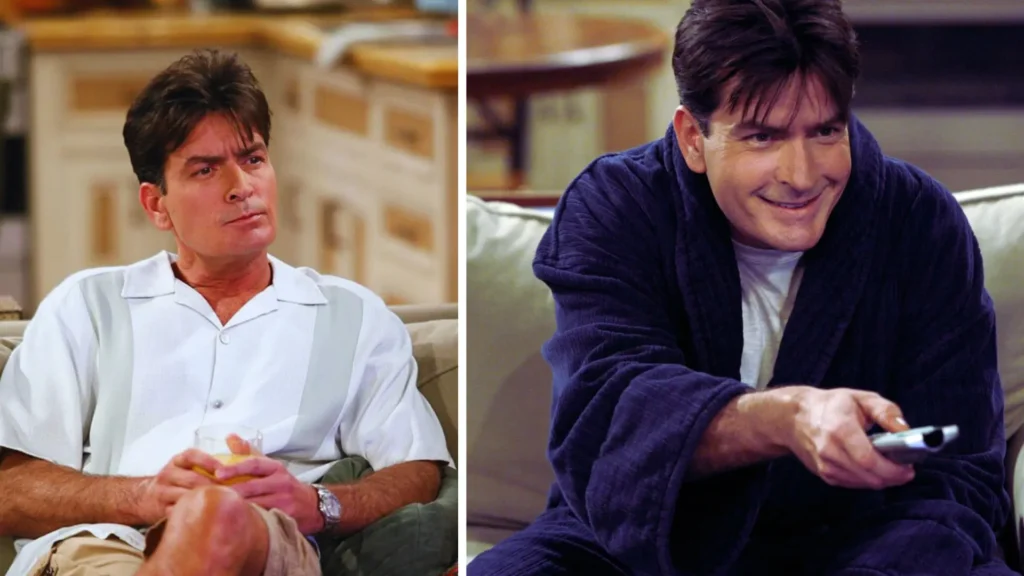
Charlie Sheen: A Workplace Conflict That Became a Headline Cycle
Charlie Sheen’s exit from Two and a Half Men in 2011 was not the result of rumor; it unfolded in statements from Warner Bros. Television, interviews with Sheen, and legal filings related to the lawsuit he filed afterward. Sheen’s public remarks about creator Chuck Lorre played a central role in the studio’s decision to terminate his contract. The court case and its eventual settlement were reported through official documents.
This situation remains one of the best-known examples of a workplace issue becoming a national story. The resulting shift in Sheen’s career demonstrates how public statements, once broadcast or recorded, can shape long-term outcomes.
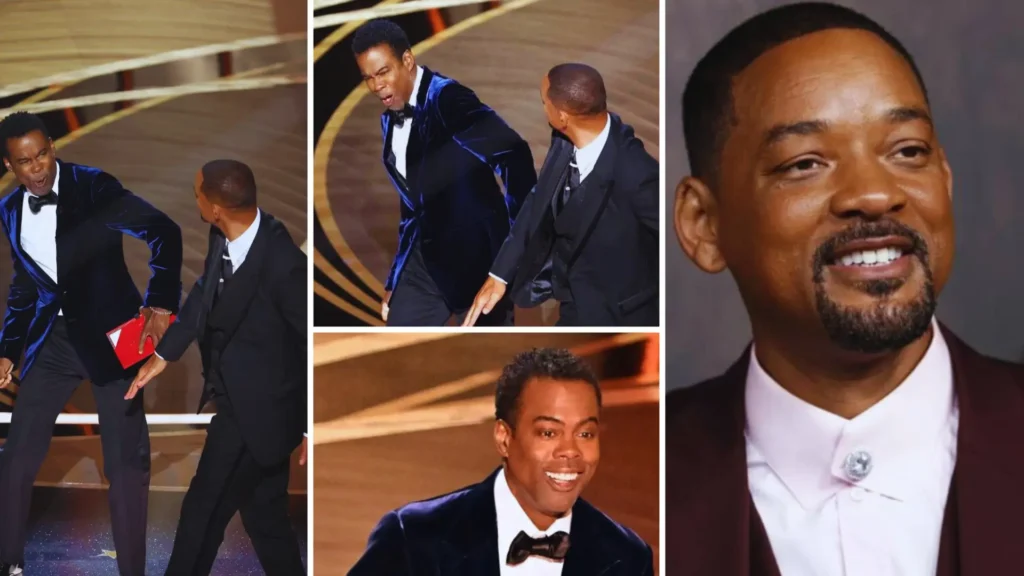
Will Smith: A Moment Captured on Live Television
On the night of the 94th Academy Awards in 2022, millions of viewers saw Will Smith walk onto the stage and strike presenter Chris Rock. The moment became one of the most widely discussed in recent award-show history, not because of speculation or rumor, but because the incident unfolded live on television.
The Academy’s subsequent investigation and the eventual 10-year ban on Smith attending its events were formally documented. Film studios and distributors adjusted timelines and promotional strategies for projects involving him. Smith addressed the incident with public apologies and statements, but the moment remains a rare example of a turning point that was broadcast as it happened, leaving little room for misinterpretation.
Public moments in Hollywood rarely stay contained to one corner of the industry. Once a story spreads, it weaves its way through production offices, marketing departments, online feeds, and eventually into the background of how a performer is discussed. Sometimes these moments arrive in the form of legal issues. Other times, it’s a strain inside a relationship, a custody matter, or something that grew gradually until it reached the courts.
By the mid-2010s, some of the most widely talked-about Hollywood turning points weren’t coming from movie sets or studio disputes at all — they were emerging from relationships that had already been under steady public attention. When a couple is photographed during normal days, interviewed about family life, and followed at airports or premieres, the shift to a difficult chapter becomes almost impossible to keep private. That visibility can push a breakup or a legal disagreement into a public timeline overnight.
And because these situations involve legal filings, they become part of the record whether anyone wants them to or not.
Below are the most prominent examples — not because they were the most dramatic, but because each incident was thoroughly documented and changed the course of two very visible careers.
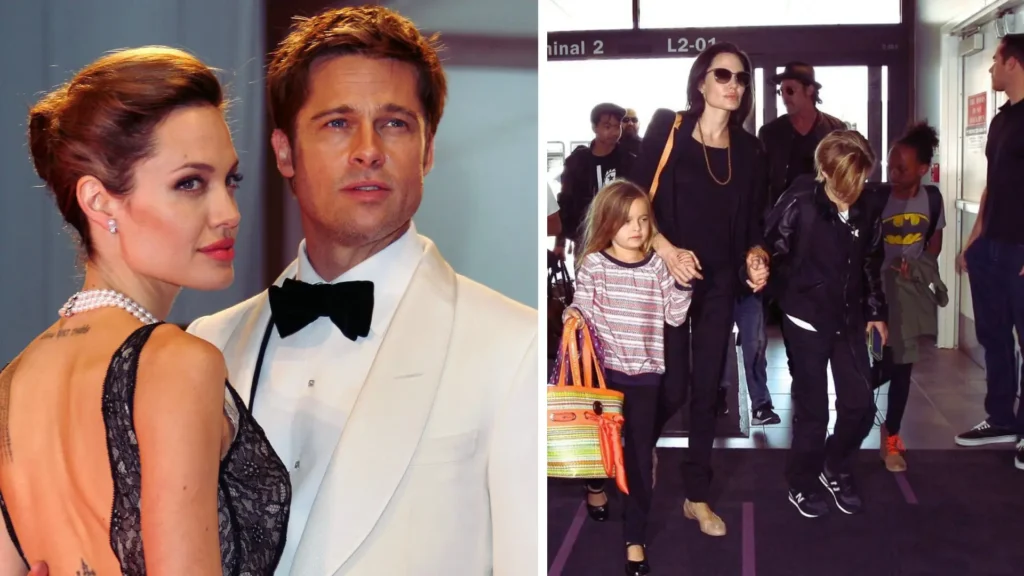
Brad Pitt and Angelina Jolie: A Private Disagreement That Became a Multi-Year Legal Process
In September 2016, Brad Pitt and Angelina Jolie boarded a private plane with their children. By the time the plane landed, something had happened that would eventually lead to one of the most closely followed family-law cases in the modern celebrity era.
What happened on that flight is described in documents released by the FBI and referenced in filings from the Los Angeles County Department of Children and Family Services. The agencies reviewed an alleged conflict involving Pitt and one of the children. Both investigations ultimately closed without charges. But within days of the plane landing, Jolie filed for divorce and requested sole physical custody of their children — something confirmed through her petition.
The case didn’t follow a simple timeline. Instead, it expanded into years of hearings, evaluations, temporary custody arrangements, and testimony from professionals who had assessed the family. Many filings were sealed, but court calendars, rulings, and procedural steps were still public enough that updates appeared regularly in the news.
For Pitt, the timing affected the way interviewers approached his projects. Even when he appeared to promote films, questions about family life and the ongoing case followed him. Jolie, for her part, referenced the challenges of the separation in verified interviews. Both careers continued, yet the legal process shaped the public framing of their personal narratives.
What stands out about this case is its duration. A single moment — a flight that took a few hours — created a legal journey that stretched over half a decade. It showed how quickly a private event can turn into a public record, and how that record can influence an entire chapter of professional life.
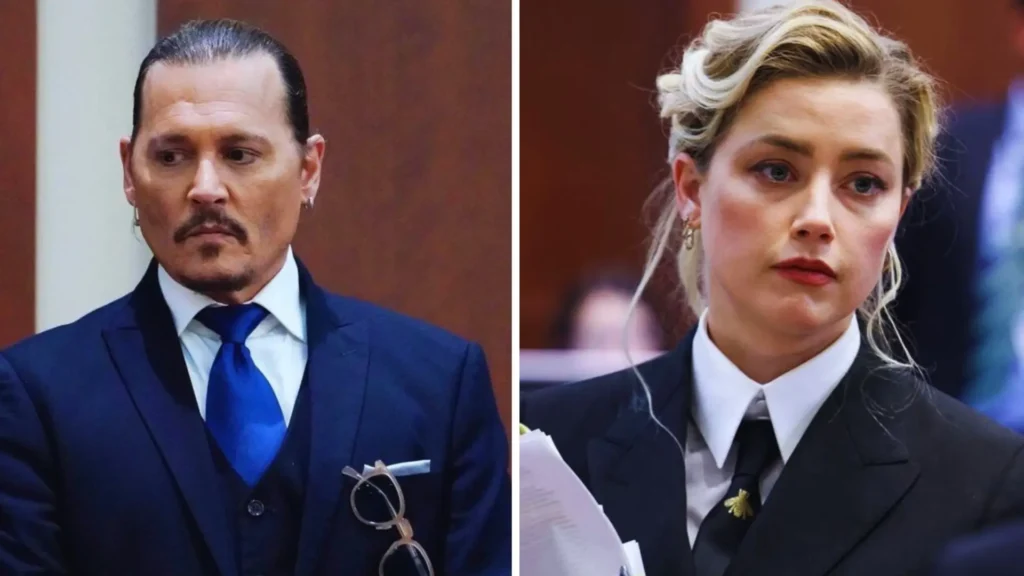
Johnny Depp and Amber Heard: A Multi-Stage Legal Dispute Across Two Countries
Few Hollywood cases have been documented as extensively as the legal battles between Johnny Depp and Amber Heard. Their disputes didn’t unfold in one courtroom or one year; they spanned multiple jurisdictions, involved competing claims, and included sworn testimony from dozens of witnesses.
The first public step came in May 2016, when Heard filed for divorce and obtained a temporary restraining order. Her allegations were part of official court documents that quickly became central to reporting. After the couple reached a settlement later that year, public attention began to shift — until new filings reignited interest.
In 2020, Depp sued the publishers of The Sun in the United Kingdom after the newspaper referred to him with language he disputed. The trial included extensive testimony from both parties, and the judge’s ruling against Depp was published in a detailed written judgment. Warner Bros. later confirmed he would no longer continue in the Fantastic Beasts franchise, citing the outcome.
Two years later, the pair faced each other again in a U.S. courtroom. Depp’s defamation case against Heard took place in Virginia in 2022 and was broadcast live — an unusual level of visibility for a civil trial. Heard countersued on several claims. By the time the jury delivered its split verdict, the trial had created months of public discussion and minute-by-minute online reaction.
Regardless of personal interpretation, the case remains one of the most thoroughly documented relationship-based disputes in Hollywood history. Every filing, ruling, objection, transcript, and expert statement became part of a public record that will likely be referenced for decades.
When Personal Relationships Reshape Professional Movement
Hollywood has always intertwined personal stories with public visibility, but the way relationship-driven incidents affect careers has changed as documentation has become more accessible. When a couple experiences a private dispute, that dispute often becomes a public narrative once a filing is stamped by a clerk and added to the court’s online system.
Studios, meanwhile, try to distance upcoming projects from ongoing conflict. They adjust interview guidelines. They shift promotional commitments. They may delay release dates or alter press tours to avoid positioning performers in settings where personal questions will become the focus. In some cases, productions quietly decrease an actor’s marketing involvement for a cycle or two, not as punishment, but as a way of steering attention back toward the film rather than the dispute.
In nearly every case, the details that shape public perception aren’t rumors or anonymous comments. They’re in the documents: the filings, judgments, statements, and procedural steps that reporters rely on to build a timeline.
But personal matters aren’t the only events that influence careers. Health and safety issues, especially when they involve emergency responses or medical documentation, can change a performer’s trajectory even more quickly.
Health Crises and the Cost of Constant Exposure
When a public figure experiences a health challenge, the story can spread before the person has even stabilized. In many situations, emergency medical calls, hospital confirmations, or representative statements immediately enter news cycles. Because these events often involve life-or-death moments, they stay in public memory long after the performer has recovered or resumed work.
Two cases in particular — each confirmed through official reports or direct statements — continue to shape conversations about the strain of public life and the pressure of long-term fame.
Whitney Houston: A Complex Legacy Marked by Documented Struggles
Whitney Houston’s life included some of the most celebrated musical achievements of her generation, but her struggles with substance dependence were also documented through on-record interviews, law-enforcement responses, and an official coroner’s report.
Interviews in the early 2000s, including her widely remembered 2002 conversation with Diane Sawyer, featured Houston speaking frankly about the challenges she faced. Years later, the reality series Being Bobby Brown showed moments that sparked concern among viewers and critics. Although the show was meant to depict daily life, some scenes became lasting references in discussions about Houston’s wellbeing.
In February 2012, Houston was found unresponsive in a Beverly Hilton hotel room. The Los Angeles County Coroner’s Office later confirmed the cause of death as accidental drowning, with heart disease and cocaine use identified as contributing factors. The findings were part of an official report that became a primary source for journalists documenting the timeline of her final days.
Houston’s legacy is centered on her voice, her catalog, and her influence. But the documented details of her personal challenges offer a stark reminder of how the pressures behind prolonged fame can affect health in ways that remain visible long after a performer’s last public appearance.
Demi Lovato: A Health Emergency That Altered the Pace of a Career
Demi Lovato had spoken openly about mental health and substance use long before their 2018 overdose. But the hospitalization that summer became a major public event after a representative confirmed the incident to the press.
The overdose led to a pause in scheduled performances and a period of treatment. In the years that followed, Lovato addressed the incident several times, including in a documentary series that outlined what happened medically and personally before and after the hospitalization. Their explanation added layers of context that weren’t available during initial reporting.
Lovato eventually returned to performing, but the experience changed how they interacted publicly. Interviews focused on recovery. Songwriting took a more introspective tone. Career pacing became more deliberate. In many ways, the documented medical emergency became a pivot point that influenced not just public perception, but the way Lovato structured their artistic output.
The Human Cost Behind the Headlines
When a health issue becomes public, the impact isn’t limited to one moment. Productions shift schedules. Tours get canceled. Insurance teams begin asking new questions. And fans react with both concern and speculation.
Many performers eventually return to work, but their approach changes. Some reduce the intensity of touring. Others choose roles that allow for more stable routines. A few step back from public life for extended stretches — not as a strategic move, but as a necessity.
In each of these stories, documentation created the foundation for how the public understood the event. Without official reports, representative statements, or medical confirmations, these incidents might have stayed private. Instead, they became part of Hollywood’s wider narrative about the strain of long-term visibility.
The Industry Adjusts — Even When It Doesn’t Say So Out Loud
When a performer experiences a documented crisis — whether legal, personal, or medical — the impact often unfolds in quiet but significant ways behind studio doors. Insurance teams review coverage limits. Production companies reconsider whether a performer can meet a film’s schedule. Marketing departments discuss whether to proceed with a full press tour or shift attention to supporting actors. These decisions rarely make headlines, but they reflect day-to-day risk assessment that shapes the next chapter of a career.
Sometimes, the result is a short delay. Other times, a project pauses indefinitely. And occasionally, a role is recast entirely.
The public rarely sees the full internal process. What they see is the outcome — a delayed premiere, a different actor attached to a role, or a performer who suddenly steps away from the spotlight after years of nonstop work.


Studios never issue lengthy explanations when a performer faces a crisis, even when the situation is serious enough to influence projects behind the scenes. Public statements are short, written in careful language, and usually focus on the work — not the moment that interrupted it. Still, there’s a predictability to how the industry responds, even without formal announcements. Decisions in Hollywood don’t happen in one room or through one meeting. They develop quietly, through a chain of conversations between agents, producers, lawyers, insurance teams, and executives trying to figure out the safest path forward.
What the public sees is only the last step of that chain.
A delayed release date.
A recast role.
An interview schedule shifted to other actors.
A performer stepping out of the spotlight “to focus on personal matters.”
A project that suddenly stops generating updates.
The reasons can vary widely, but the pattern is familiar to anyone who has watched how the industry handles turbulence. And the pattern is shaped by a combination of liability, logistics, and — more than anything — the need to keep multimillion-dollar projects stable.
How Studios Adjust When a Public Incident Interferes With Production
From the outside, film and television sets often look chaotic: long days, dozens of departments, and timelines that depend on hundreds of people hitting their marks. But underneath that controlled chaos is a rigid structure that cannot afford uncertainty. Days lost to delays cost thousands or millions. Insurance policies attach financial conditions to performers’ participation. Every actor who appears in more than a few scenes is typically considered a “key” player by insurers.
When a documented event puts a performer’s reliability in question, even temporarily, it forces the studio to re-evaluate the risk. This doesn’t automatically lead to recasting or shelving a project, but it does trigger internal conversations that can determine how — or whether — a project moves forward.
Some of those conversations revolve around:
Do we have insurance coverage for the actor after this event?
Can the schedule survive a pause if the performer needs time away?
Will press tours become overshadowed by questions about the incident?
Does the project rely heavily on this individual for marketing?
What happens if something similar occurs during production?
These aren’t moral questions. They’re business questions, and studios ask them every time public events create uncertainty.
Robert Downey Jr.’s experience in the early 2000s illustrates this. Studio hesitation wasn’t personal. Insurers didn’t want to take the risk. A project with an uninsured lead is nearly impossible to greenlight. Downey’s eventual comeback was as much about his talent as it was about the willingness of key decision-makers to navigate insurance terms on his behalf.
Lindsay Lohan’s situation played out similarly, though with different circumstances. When her legal challenges mounted between 2007 and 2011, productions struggled to keep schedules intact. Costs increased. Risk assessments shifted. A few small films still moved ahead, but large studio productions — built around strict timelines — became harder to justify.
Will Smith’s 2022 Oscars incident also prompted adjustments. Some films moved forward, but others paused their marketing plans or changed release windows. Smith was still capable of anchoring major projects, yet the studios behind them had to balance the visibility of the moment with the visibility of the work itself.
These decisions are rarely announced publicly, but they influence careers in ways that last far beyond the initial event.
The Unseen Conversations That Shape a Comeback
A comeback in Hollywood doesn’t begin with a press release. It begins with a quiet shift: a producer willing to extend a hand, a director ready to take a risk, or a studio deciding the timing is right to bring someone back into major production pipelines.
The public rarely sees the earliest steps.
Sometimes, a performer starts with roles that carry lower insurance demands. Smaller productions, independent films, guest appearances, or voice roles — these are often the first opportunities because they require less financial exposure. Other times, performers step into behind-the-camera roles: writing, producing, or directing. The work continues, but in a way that allows the person to rebuild trust without the pressure of leading a major film.
Mel Gibson is a clear example. After the 2006 DUI arrest, his acting opportunities narrowed quickly. But directing remained an option. Over time, Hacksaw Ridge demonstrated that the industry was still willing to evaluate work on its own terms. The film’s success did not erase the documented events of 2006; it simply marked a new moment in a long timeline.
Demi Lovato’s post-2018 path followed a different pattern. Their overdose, confirmed by their representatives, paused everything. But the comeback didn’t start with a glossy return to the spotlight. It began with recovery. When Lovato eventually returned, the narrative centered on transparency — not avoidance. Their later work incorporated themes of health, personal growth, and accountability.
Whitney Houston’s story shifted in a more tragic direction, but her documented struggles and the subsequent coroner’s report shaped how audiences interpreted both her career and the pressures surrounding it. Even now, years after her death in 2012, conversations about Houston often reference the documented challenges that preceded it — not to diminish her achievements, but to acknowledge the weight that long-term fame carries.
For many performers, a comeback succeeds when the work aligns with the moment. A strong role. A project that fits the public mood. Support from respected directors or producers. Space from the incident itself.
Time is often the most important part of that equation.
Why Public Reaction Rarely Matches Industry Reaction
There is always a gap between how the public responds to a turning point and how Hollywood handles the same situation internally. Public response tends to move in waves — quick, intense, and emotional. Industry response is slower, procedural, and grounded in contracts and financial assessments.
A viewer might react to a moment immediately.
A studio cannot.
Public perception shifts in days or weeks.
Hollywood needs months, sometimes years.
For example, the reaction to Will Smith’s Oscars incident was instant. Clips appeared online in seconds. Commentary began before the broadcast ended. But within the industry, the response was more measured. Some projects paused while others continued quietly. Smith’s long-term prospects are not determined by one event; they will be shaped by future films, the public’s long-term view, and how the industry evaluates audience interest.
Similarly, the Depp–Heard legal battles produced real-time online opinion that often bore little resemblance to the legal process itself. The U.K. ruling in 2020 and the U.S. verdict in 2022 were based on courtroom evidence and sworn testimony. Meanwhile, online reaction functioned like a parallel world — faster, louder, and often disconnected from the legal standards applied in the trials.
Studios positioned between these two realities face a difficult task. They must consider how public sentiment might affect a film’s box office or a show’s audience engagement. But they also rely on internal guidelines and legal obligations. Decisions grounded in social reaction alone would be too volatile for long-term planning.
This creates a delicate balancing act: acknowledging public opinion without allowing it to destabilize the industry’s internal processes.
Media Framing: The Quiet Force Behind Every Career Shift
Even in an era dominated by social media, traditional reporting still sets the tone for how events are understood. When a story appears in a major outlet — not a blog, not a trending thread, but a publication that requires verified sourcing — it becomes part of the factual record.
Reporters who cover the entertainment industry know that a single misreported detail can shift perception. For that reason, they rely heavily on documents, official statements, and records that can be independently confirmed.
A custody ruling.
A police report.
A court transcript.
A verified representative’s statement.
A judge’s written opinion.
These pieces form the backbone of responsible reporting. They also create the long-term narrative that defines how a moment is remembered.
Britney Spears’ conservatorship, for example, is understood largely through court motions and official transcripts. Public emotion shaped the conversation, but the facts themselves came from documents — not speculation.
The same applies to the Depp–Heard disputes. The U.K. ruling is documented in a detailed judgment; the U.S. verdict is recorded in the official case docket.
This documentation becomes the anchor for future articles, biographies, documentaries, and retrospectives. Once it exists, it stays.
Why Some Performers Recover and Others Don’t
Not every comeback follows the same pattern. Some performers stabilize quickly. Others take years. A few never return to their previous level of visibility.
Based on documented cases, several factors contribute to a successful return:
1. New Work That Resonates
Downey had Iron Man.
Gibson had Hacksaw Ridge.
Lovato had new music and documentary access.
A comeback without compelling work rarely sticks.
2. Clear Time Away
Public attention quiets.
Studios regain confidence.
Audiences shift their focus.
Time is one of Hollywood’s most reliable rehabilitators.
3. A Change in Circumstances
Sobriety.
Legal resolution.
Professional reevaluation.
A new creative direction.
These shifts often appear in interviews, filings, or representative statements.
4. Industry Advocates
A producer, director, or executive willing to take the first step.
Favreau did this for Downey.
Jason Blum has done this for multiple performers in difficult positions.
In every comeback, someone inside the industry usually opens the door.
5. Audience Willingness
Even the strongest comeback plan falters without public openness.
Some performers regain trust.
Others face a longer road.
Hollywood cannot control this part. It belongs to the culture.
The Unspoken Rule Behind Every Turning Point
The most important pattern — visible across every case — is that Hollywood does not operate on finality. Even serious setbacks rarely represent the end of a career unless the individual chooses to step away.
There is always another script.
Another meeting.
Another audition or offer or connection.
The industry is built around cycles. Some cycles are short; others last a decade. But the opportunity for reinvention is part of what keeps Hollywood functioning.
And while the public may remember a moment for years, the industry tends to remember the work that comes after it.
Hollywood is often described as an ecosystem built on image, but it’s more accurate to say it runs on stories — the stories performers tell on screen, the stories studios try to shape around them, and the stories the public writes based on what unfolds in real time. When personal moments enter that ecosystem, they don’t disappear easily. They become reference points that follow a performer from project to project, interview to interview, sometimes long after the initial event has passed.
Yet the story of a career is rarely defined by one chapter. If anything, the past two decades have shown that careers bend, stall, rebuild, and evolve in ways that don’t always match early predictions. A performer might lose a role in one moment and earn an award in the next. A difficult period can become the foundation of a later reinvention. And sometimes the industry’s response says more about its own priorities than about the person at the center of the news.
One thing is clear: Hollywood is no longer a place where private life stays private. The digital world eliminated that possibility years ago. So the industry has been forced to adapt — sometimes slowly, sometimes reluctantly, but always in recognition that visibility is now permanent, searchable, and immediate.
But even in this new environment, reality has a way of rebalancing itself. The long view of a career often looks far different than the snapshot taken during a difficult month or year.
The Digital Archive That Never Stops Growing
There was a time when entertainment news lived in newspaper clippings and magazine spreads that faded into boxes over the years. Now almost everything exists in a digital archive that never closes. Videos resurface. Old headlines reappear whenever a new story breaks. Court filings live on state websites indefinitely. Interviews can be replayed years after the original air date.
For performers, this means the past is always accessible — not just to reporters or fans, but to studio executives reviewing a potential casting choice or publicists preparing a press strategy. It also means that moments that were once fleeting now have a second life.
The 2022 Oscars clip involving Will Smith still circulates online. Parts of Britney Spears’ 2007 public struggles appear repeatedly in articles about mental health or legal guardianships. Robert Downey Jr.’s early-2000s arrests are often revisited in profiles focusing on his recovery and later success. The Depp–Heard trial footage continues to be studied, clipped, and interpreted through countless online conversations.
This archive shapes how performers are remembered. But it also shapes how they are reintroduced, because the material from the past sits alongside every new project and interview.
How Public Memory Evolves Over Time
Even with a permanent digital record, public memory doesn’t stay static. People reassess. Generations age into and out of conversations. New cultural standards influence how older events are interpreted.
Whitney Houston’s legacy, for instance, has shifted considerably in the years since her death. Documentaries, interviews with family members, and renewed evaluations of her musical work have reframed public understanding of the pressures she faced. Houston’s struggles remain part of her story, but the focus has widened to include the structural challenges of fame, as well as the extraordinary artistic impact she left behind.
Robert Downey Jr.’s legacy has also undergone major transformation. For younger fans, his early legal troubles are something they learn about secondhand. Many primarily associate him with his work as Tony Stark, not with the arrests that once put his career in jeopardy. His story has become a case study in long-term recovery and resilience.
Even Lindsay Lohan’s public image has shifted. The earlier part of her career is remembered through iconic roles, while the later part — once dominated by legal headlines — is increasingly viewed within a broader discussion about the intensity of the spotlight on young performers. Her gradual return through selected roles and new projects has introduced a new chapter to her narrative.
Public memory is not always forgiving, but it is rarely fixed.
What Audiences Expect From Performers Now
The expectations placed on performers today differ significantly from those that shaped the careers of earlier generations. People look for consistency, but they also look for honesty. Silence that once passed as professionalism is now interpreted as avoidance. When a documented event occurs, audiences want clarity — not necessarily personal details, but some signal that acknowledges reality.
This doesn’t mean every performer is required to explain every personal challenge. But the gap between what the public sees and what a performer addresses has narrowed. Social media accelerated this shift. It created a space where public figures speak directly, without intermediaries, and where audiences feel entitled to a level of transparency previous stars never had to consider.
Demi Lovato’s openness after their 2018 overdose shows how this dynamic can work. Their decision to discuss their challenges in a detailed documentary created a sense of honesty that resonated widely. It wasn’t a promotional tactic. It was a response to the visibility of the event — an attempt to regain control of a narrative that had already become public.
Other performers handle transparency differently. Some issue brief statements and return to work slowly. Others avoid public discussion entirely, allowing their professional output to carry the weight of a comeback. There is no single template that works for everyone. The only constant is that the public now expects some degree of acknowledgment.
Inside the Industry: The Calculations No One Talks About
While public reaction tends to dominate headlines, industry reaction is usually much quieter and more practical. What studios look for after a documented incident isn’t perfection; it’s stability. They want to know whether a performer can show up to set, complete the work, and support the project through release. They look at schedules, insurance requirements, and the likelihood of disruptions.
That’s why certain performers return to major work sooner than people expect. A studio might decide that an incident, while highly visible, is unlikely to affect production. This can be the case for workplace conflicts or relationship disputes that reach legal resolution.
But when court cases are ongoing, or when health issues raise concerns about reliability, studios proceed more cautiously. They might delay a project until more information emerges. They might quietly shift a lead role to a supporting one. Or they might focus marketing on other cast members to preserve the project’s momentum.
These decisions aren’t personal judgments. They are risk assessments made in the context of multimillion-dollar budgets and long-term release strategies.
Comebacks and Second Chapters
Hollywood has a long history of reinvention. Some performers re-emerge stronger after a difficult period. Others ease back into work through independent films, voice roles, or directing. A few disappear temporarily before returning with a project that reminds the industry why they were essential in the first place.
The pattern is clear:
• Downey found new traction through a role that aligned with his talent.
• Gibson found a new lane in directing.
• Lohan chose controlled, gradual steps forward.
• Lovato reframed their public identity through transparency.
• Smith continues working while navigating the aftermath of a moment broadcast worldwide.
The success of a comeback rarely depends on public approval alone. It often hinges on whether the work that follows feels meaningful enough to shift attention back toward performance instead of personal history.
When a comeback works, it’s usually because the performer, the industry, and the public all converge in a place where new work can be evaluated fairly — not in the shadow of the event, but in light of what has changed since.
The Shift in How Hollywood Understands Accountability
One of the most notable changes in recent decades is how Hollywood views responsibility. In the past, studios sometimes shielded performers from public fallout or controlled messaging to minimize scrutiny. Today, audiences expect accountability to be part of the narrative. This doesn’t always mean punishment. More often, it means acknowledgment and a clear path forward.
Performers who address difficult periods directly — whether through statements, interviews, or their work — often find that the public responds more constructively than expected. Those who remain silent sometimes discover that silence creates its own narrative.
Still, accountability in Hollywood is shaped as much by public norms as by studio policies. What counts as a “turning point” now may not have been viewed the same way twenty years ago. The cultural landscape changes, and the industry adapts alongside it.
The Real Lesson Beneath Every Turning Point
If there is one common thread in all the documented moments — from Britney Spears’ 2007 crisis to the Depp–Heard trials, from Whitney Houston’s health challenges to Will Smith’s Oscars incident — it is that fame reveals more than it protects. It accelerates consequences. It shortens the distance between private life and public awareness. And it demands navigation skills that no acting class or recording studio can prepare someone for.
But the long-term trajectory of a career is never shaped only by a single moment. It depends on everything that follows:
How the performer responds.
How studios evaluate the future.
How audiences shift their attention.
How the cultural climate evolves.
Hollywood is not static, and neither are its stories. Every public incident becomes part of a bigger picture — one that includes recovery, reinvention, changing norms, and new opportunities.
A Final Look at Fame vs. Reality
The entertainment industry will always be tied to public interest. That’s the nature of storytelling on a global scale. But the past two decades have shown that fame and reality are not opposing forces; they influence each other constantly. What happens off-screen becomes part of the public narrative, and what happens in public shapes how a performer moves forward.
The documented moments explored throughout this feature reveal how careers shift when visibility meets real life. They show how legal records, health events, relationship disputes, and workplace conflicts can become milestones that appear in timelines, interviews, and retrospective analyses.
Most of all, they offer a clear reminder: behind every headline is a person navigating circumstances that are difficult enough without cameras, and far more complicated with them.
Hollywood doesn’t forget these moments. But it doesn’t define performers by them forever. There is always room in this industry — and in public memory — for second chapters, new directions, and the work that comes after the hardest parts of a career.